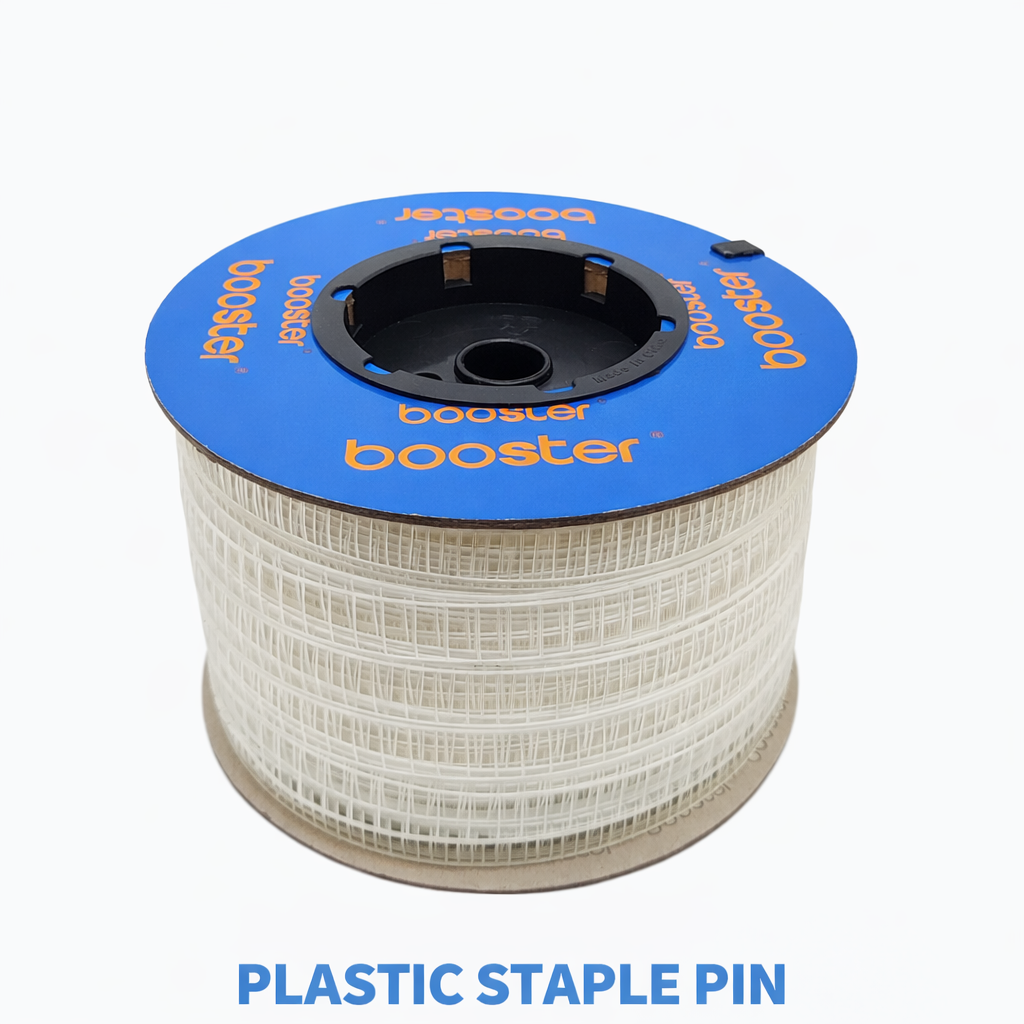
Safety First: How Plastic Staple Pins Reduce Workplace Hazards
In high-volume packaging and labeling environments, safety and efficiency go hand in hand. While small, plastic staple pins can make a significant difference in minimizing risks, preventing injuries, and promoting smooth operations across manufacturing and fulfillment centers.
Eliminating Metal-Related Hazards
Traditional metal staples can cause punctures, scratches, or sparks — particularly dangerous in industries with flammable substances or delicate electronics. Plastic staple hang tag systems offer a non-conductive, smooth-edged alternative that reduces workplace incidents.
Plastic staple heat-resistant variants also avoid melting or deformation in high-heat processes, which could otherwise result in sharp edges or broken fragments that pose risks.
Preventing Jams and Equipment Downtime
Plastic staple pins are engineered for reliability in high-speed tagging systems, reducing the frequency of jams and misfeeds. This means less manual intervention, lower injury risk from machine clearing, and uninterrupted workflow.
Their uniform shape supports frictionless staple systems that operate cooler and more smoothly, making the machinery safer for extended shifts and continuous operations.
Lightweight and Ergonomic Handling
Reusable tag fasteners made of plastic are easier on operators who load and reload tagging equipment. Their lighter weight reduces strain over repetitive motions, especially in operations requiring thousands of tags per shift.
Combined with durable plastic staples, these features enhance ergonomic safety, reducing fatigue and the risk of repetitive stress injuries.
Enhancing Workplace Compliance
Health and safety regulations increasingly demand risk mitigation in all areas — including small packaging components. Using eco-friendly tagging materials that are non-toxic and non-sharp supports workplace compliance, especially in sectors like food, pharma, and child-related goods.
Additionally, by avoiding sharp metallic waste, companies improve their waste handling safety protocols, protecting janitorial and recycling staff.
READ MORE:


