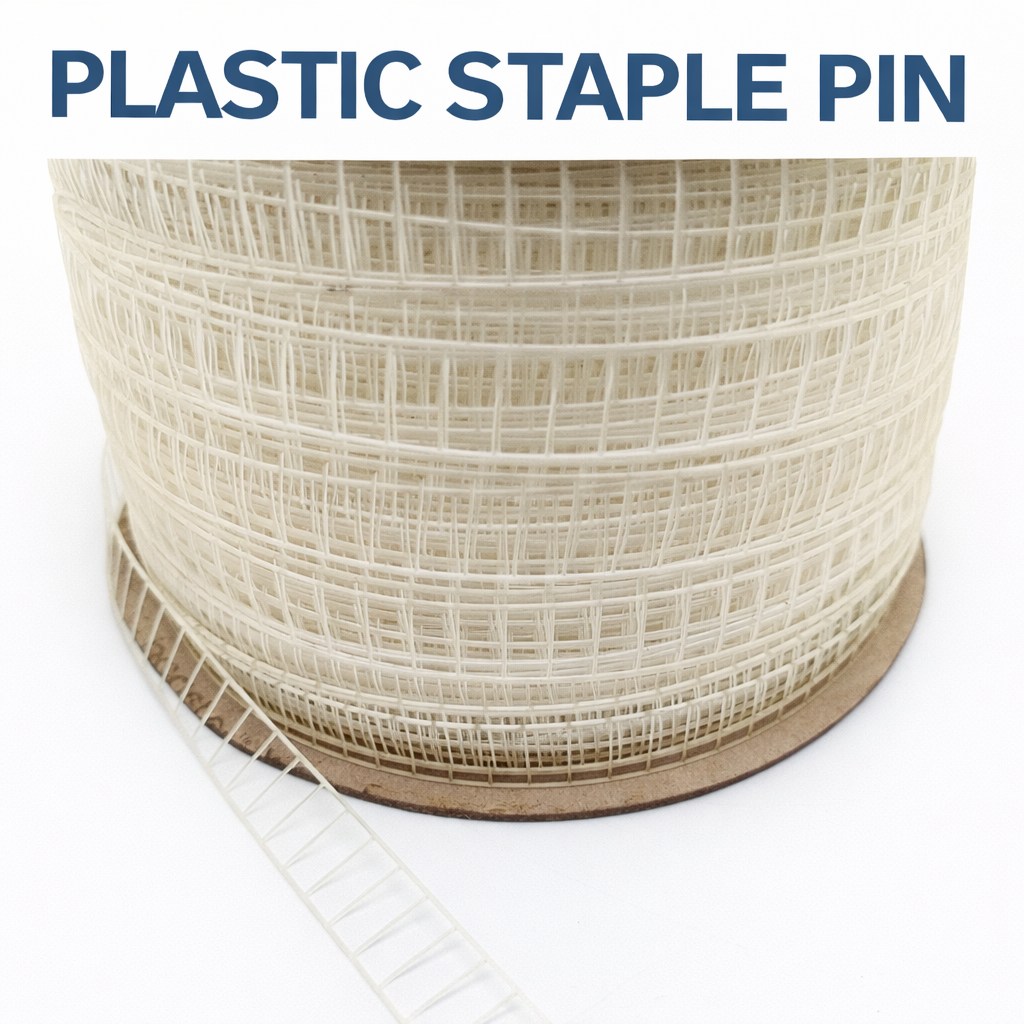
Export Ready: How Plastic Staple Pins Improve International Packaging Logistics
When products are shipped across borders, packaging plays a critical role in ensuring safety, compliance, and efficiency. For exporters, plastic staple pins provide a lightweight, durable, and customs-friendly solution that supports the demands of global logistics.
Meeting International Standards
Global markets often enforce different packaging standards. Plastic staple hang tag systems can be paired with recyclable or non-toxic tag materials to comply with regulations in the EU, US, and Asia. In contrast to metal staples, plastic versions avoid issues related to metal detection, corrosion, and customs delays.
Eco-friendly tagging materials also contribute to green certifications such as FSC or ISO 14001, supporting brand reputation abroad.
Enhancing Transit Durability
From sea freight to air cargo, packaging must endure pressure, vibration, and variable climates. Durable plastic staples maintain tag integrity through long transit times and mechanical handling. Unlike glue-based tags that may fail in humid or cold environments, plastic staple heavy-dutyc options remain reliable.
Plastic staple heat-resistant tags also survive hot stuffing in containers or exposure to sun during loading.
Lightweight for Freight Efficiency
In international transport, reducing weight reduces cost. Plastic staple pins weigh significantly less than traditional metal staples or plastic clamps, contributing to better freight class and lower per-unit shipping fees.
This makes them ideal for bulk export packaging where every gram matters — especially for cost-sensitive categories like textiles or low-margin consumables.
Supporting Multi-Language Compliance Tags
Export goods often require multi-language labels. Reusable tag fasteners allow labels to be updated or added per region without opening sealed packages. This not only saves repackaging time but also reduces the risk of labeling errors and non-compliance fines.
READ MORE:


