This article explores how plastic staple pins improve efficiency and reduce environmental impact in e-commerce packaging. It highlights their benefits in fulfillment speed, shipping cost reduction, and safe product handling.
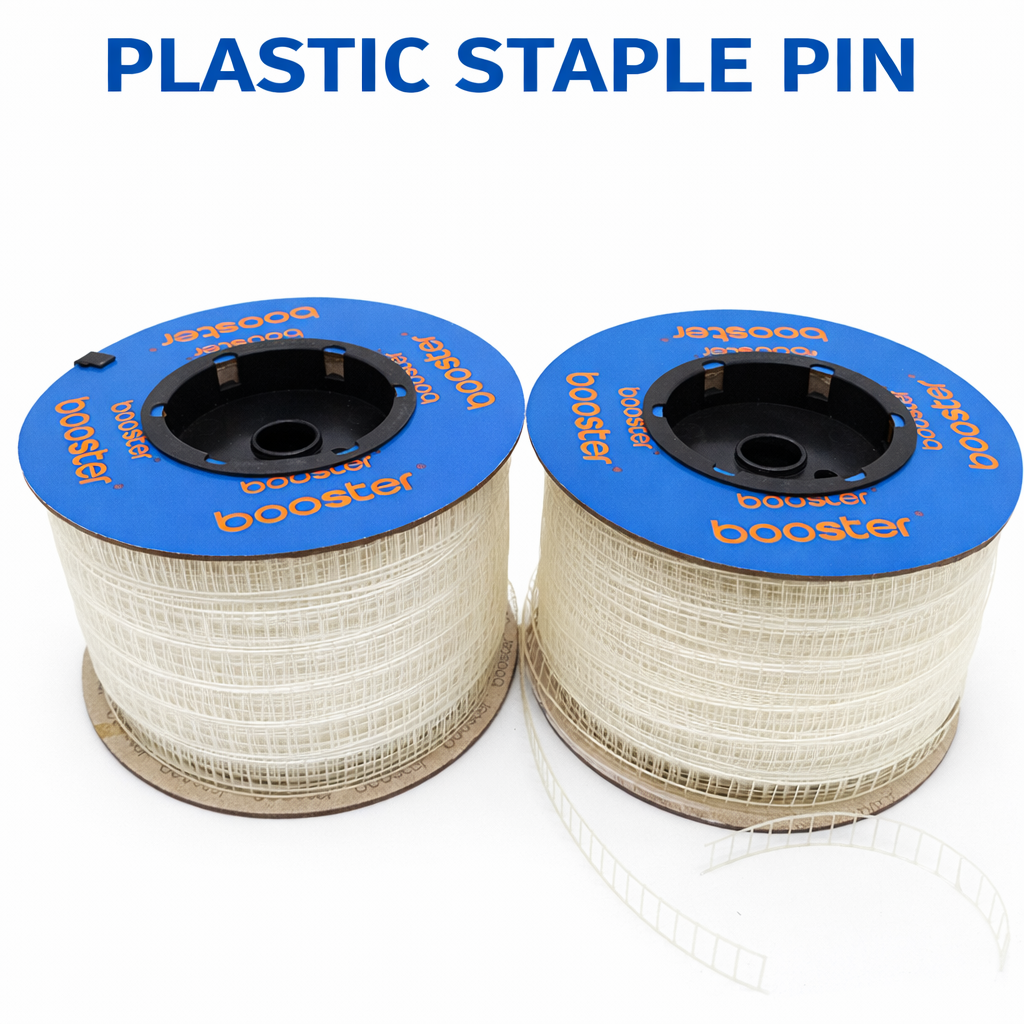
E-Commerce Efficiency: Plastic Staple Pins in Online Retail Packaging
As online retail grows exponentially, packaging must evolve to balance speed, durability, and environmental responsibility. One small yet critical upgrade? The adoption of plastic staple pins in e-commerce tagging and packaging workflows.
Streamlined Fulfillment Processes
In fast-paced fulfillment centers, time is money. Plastic staple hang tag systems are faster to apply and more consistent than manual adhesives or metal staples, reducing error rates and boosting pick-and-pack efficiency. Their compatibility with high-speed tagging systems makes them ideal for environments shipping thousands of units daily.
Plastic staple heavy-dutyc pins ensure secure attachment, preventing tags from detaching during rough handling or transportation.
Lightweight for Lower Shipping Costs
Every gram matters in shipping. Durable plastic staples weigh significantly less than their metal counterparts, contributing to lighter packages and reduced logistics costs. When applied at scale, this simple change can create meaningful savings on postage and carbon emissions.
This aligns with consumer expectations for eco-conscious brands and supports light-weight packaging hardware initiatives.
Damage-Free Tagging on Diverse Products
E-commerce involves tagging a broad range of products: clothes, electronics, accessories, and home goods. Reusable tag fasteners made from flexible plastic are gentle on sensitive items and avoid damage during returns or re-shipping, a key factor in reverse logistics management.
Plastic staple heat-resistant variants also hold up under warehouse heat exposure, sealing equipment, and climate-variable transport.
Environmental Alignment
Online brands are under growing pressure to reduce packaging waste. Eco-friendly tagging materials such as recyclable plastic staples signal a commitment to sustainability, often highlighted on customer-facing materials. These also ease sorting in recycling systems, where mixed materials can be problematic.
READ MORE:


